Costs
How much do solar panels cost?
System sizes, what a quote should include and what moves the price.
We use cookies to improve your visit.
Essential cookies keep the website and your basket working, so they're always on. Analytics cookies (Google Analytics and Microsoft Clarity) show us which pages people find useful. They stay off unless you turn them on.
Home solar, worked out
Rooftop panels, a home battery or a plug-in kit? We set out what each costs, what it could save and how long it takes to pay back, with the working shown and every figure sourced. When you're ready, tell us about your home and we'll come back to you.
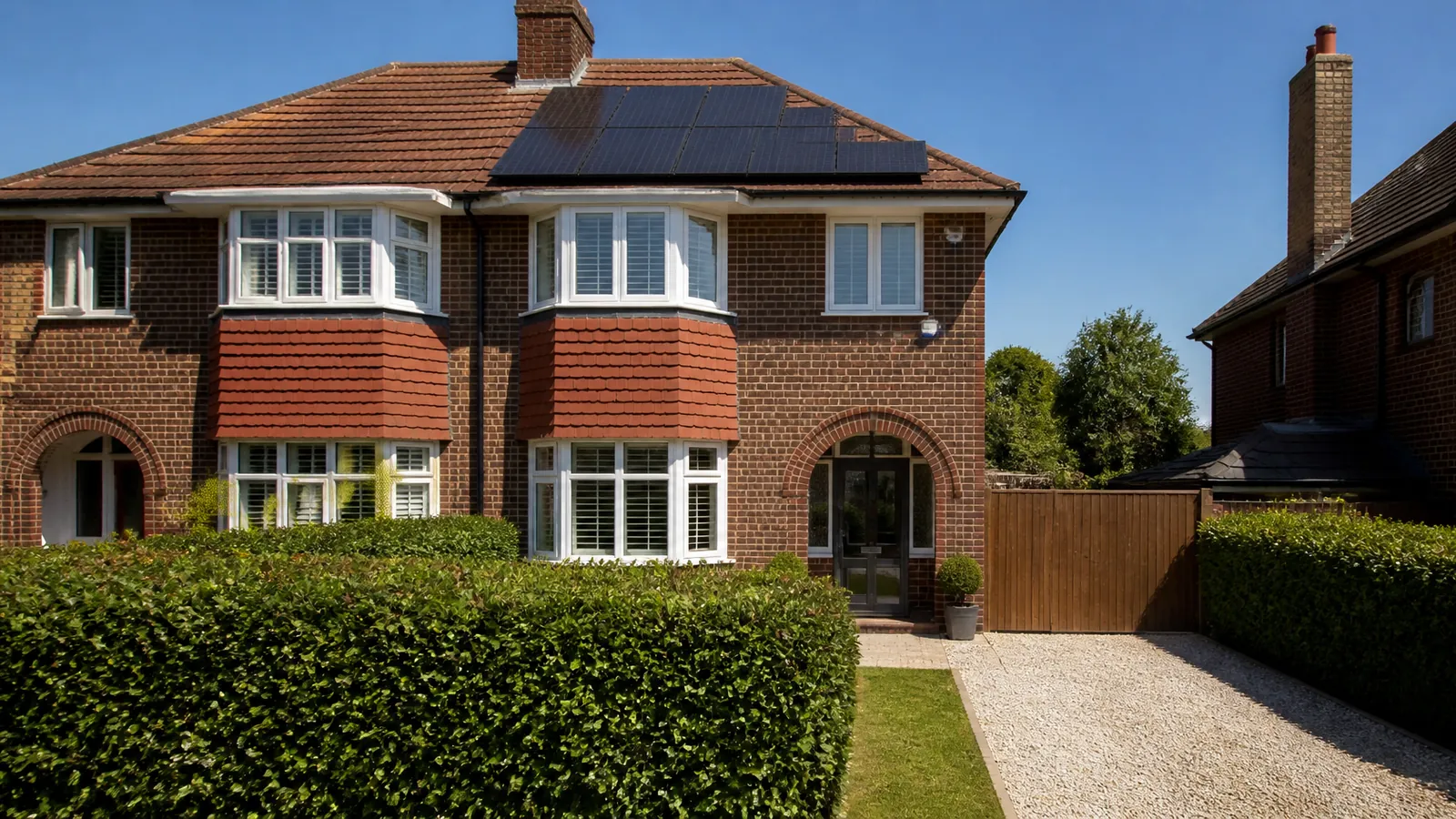
Most homes with a sunny roof can make good use of solar. The questions that decide it are simple ones: how much electricity you use, when you use it, and how much of your roof faces the sun.
No room on the roof, or renting? A plug-in kit in the garden is a smaller, cheaper place to start.
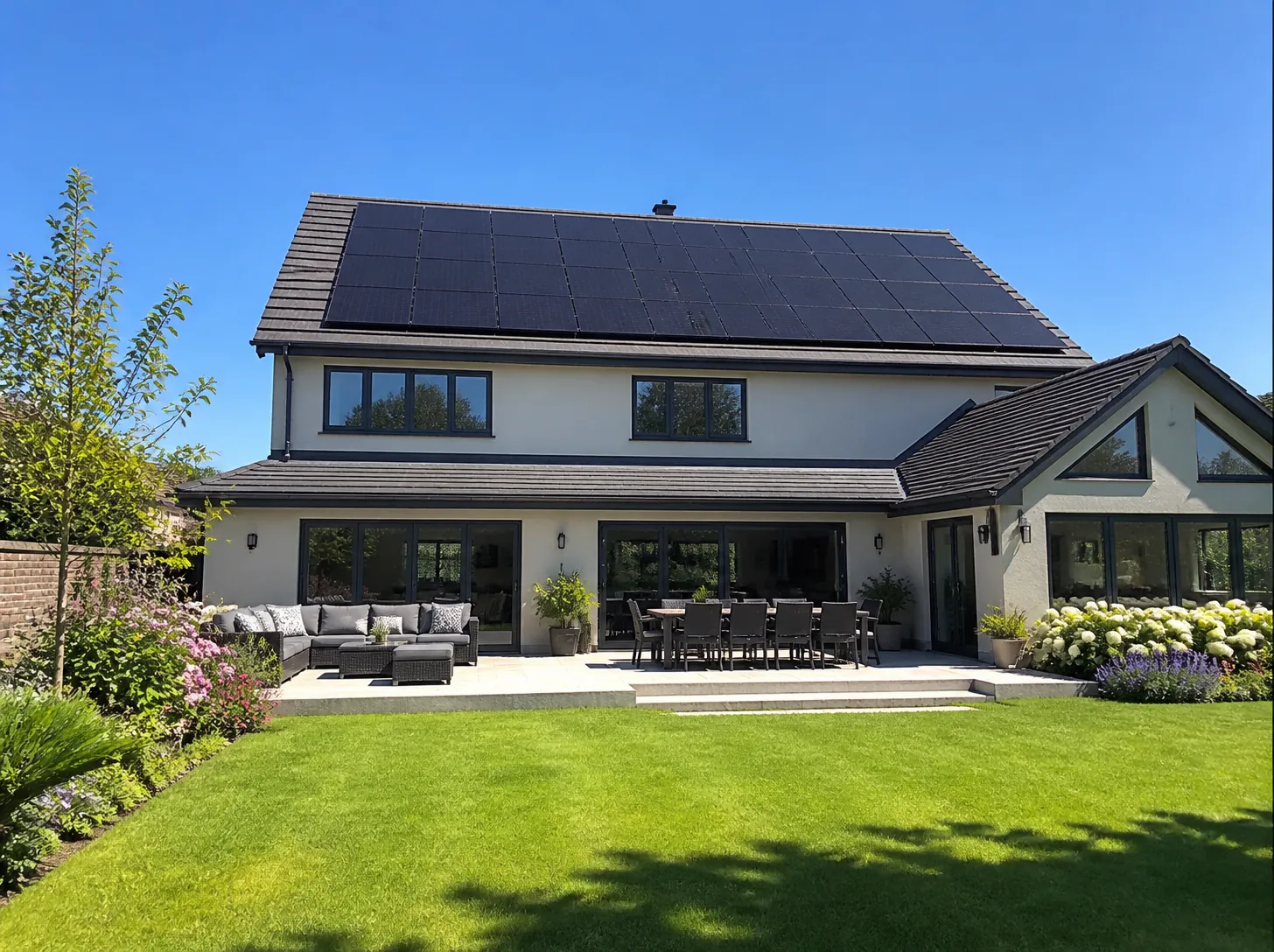
Option one
Panels on your roof, fitted by an installer, feeding your home through an inverter. A typical home system is about 4 to 4.5kWp, roughly 10 panels. The Energy Saving Trust puts a 4.5kWp system at around £7,600 to install, and a system of about 4kWp can make more than 3,000kWh of electricity a year (both reported by Which?, 30 October 2026).
What you don't use yourself can be sold to an energy supplier through the Smart Export Guarantee.
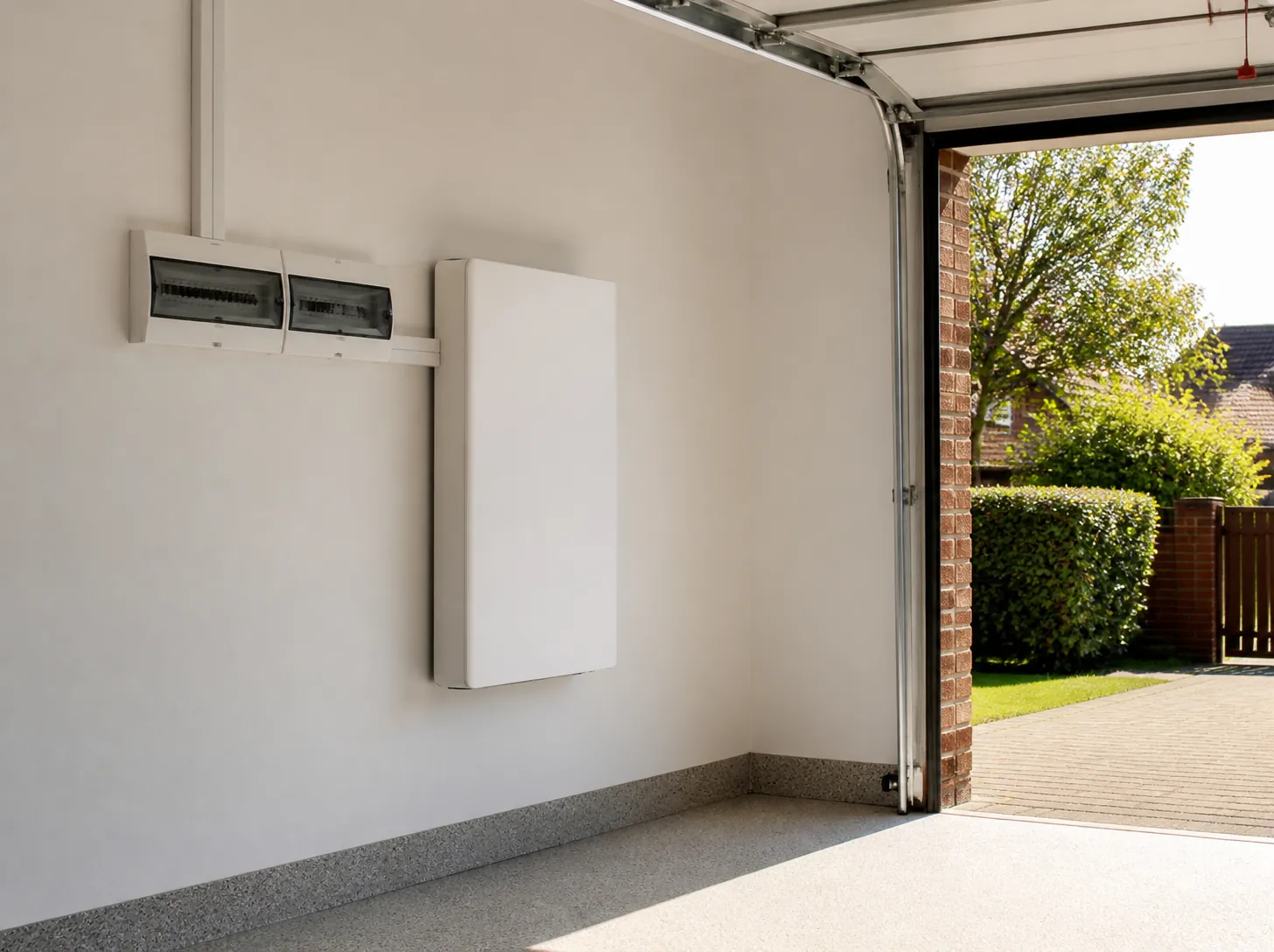
Option two
A battery stores the solar power you don't use straight away, so you can use it in the evening, when most homes use the most. It can also charge from the grid on a cheaper overnight tariff.
Published starting prices from two large UK energy suppliers ran from about £2,500 to about £4,000 (Which?, 30 October 2026). An installer sizes the battery from how much you use after dark.
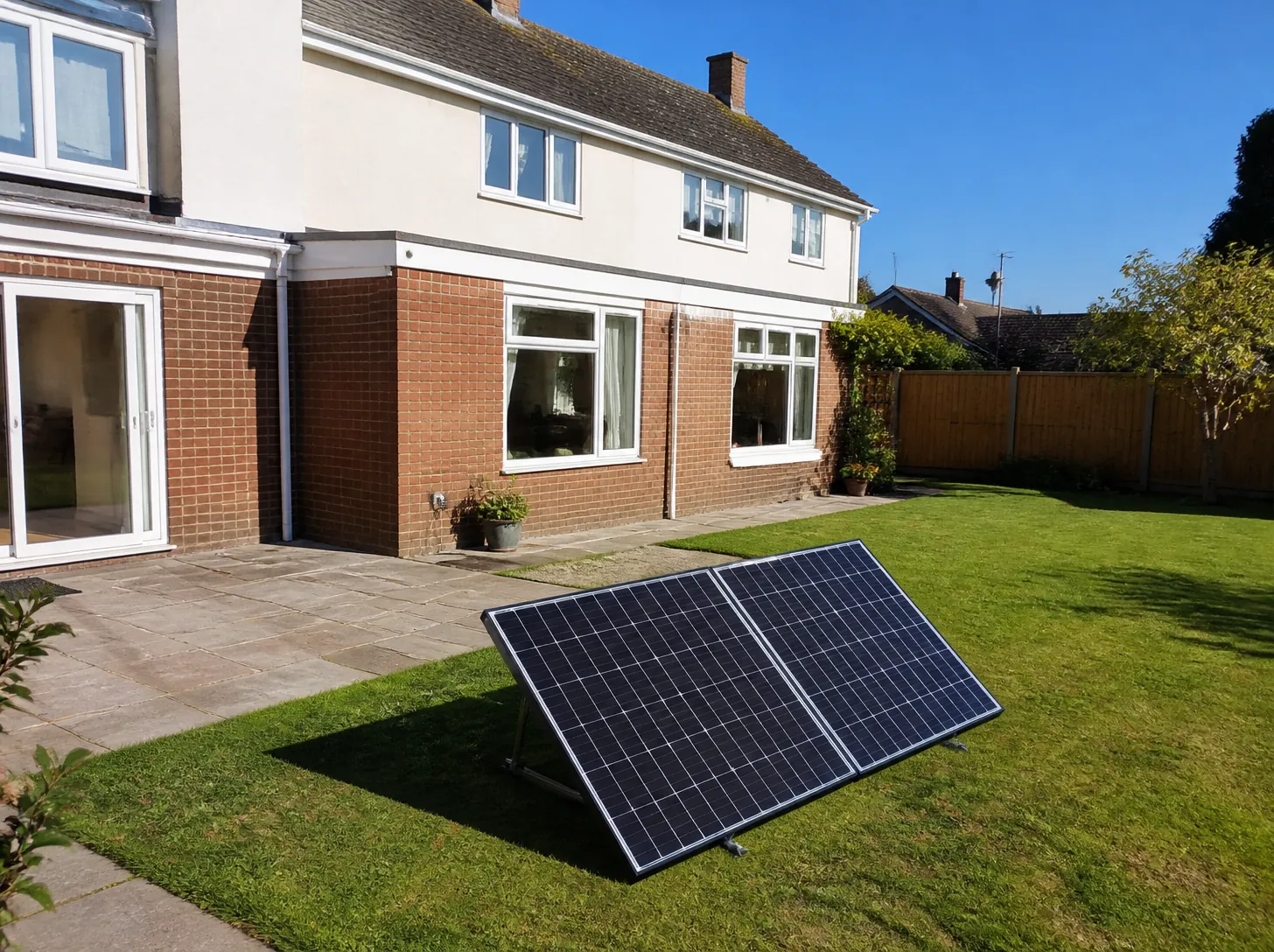
Option three
A plug-in kit is a small solar system you set up yourself in the garden. It plugs into a weatherproof outdoor socket and feeds up to 800W into your home. No scaffolding, no installer.
You'll need that outdoor socket within reach of the kit's own cable (no extension leads) and modern RCD protection on your fuse box. An electrician can fit or check those if you need them. Kits can be used in England, Scotland and Wales, one per household, and must be registered free at myplugin.solar before first use.
Answer a few questions about your home, your roof and your bills, and we'll come back to you by email.
Before any installer sees your details, we'll tell you who they are. Nothing is shared unless you say yes.
Thinking about a battery? Ask for a battery quote instead.
Costs
System sizes, what a quote should include and what moves the price.
Payback
What decides payback, with worked examples you can check.
Exports
Who pays for the power you send to the grid, and how rates compare.
Rules
What changed on 27 August 2026, and when you need to ask.
We write for homeowners weighing up a big purchase, so we show our working.
Guide emails
We'll email you when a guide changes in a way that could change your sums, such as a new price cap or new export rates.
No. We write guides and pass on quote requests. Rooftop panels and batteries are fitted by installers. We only share your details with an installer we've named to you, once you've said yes.
No. Asking is free, and you're under no obligation to go ahead with any quote you get.
Our guides cover the UK, and we point out where the rules differ. You can send a quote request from anywhere in the UK. Plug-in kits are different: they can only be used in England, Scotland and Wales.
They're estimates from published figures, and each one lists its sources. Your own figure depends on your roof, your usage and your tariff. An installer's quote should give you a figure for your home.